







Search Results for: Weiss Distribution Technique
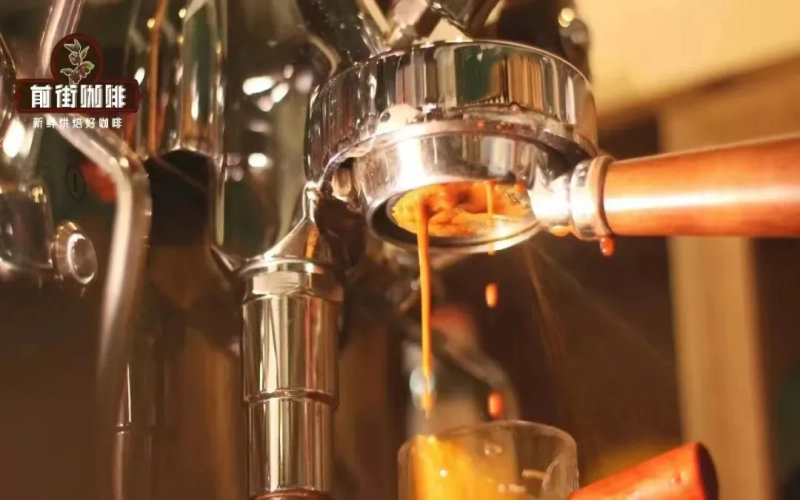
Is a WDT tool really worth buying? Analyzing the causes of and fixes for clumping and static in espresso grounds
When making espresso in dry weather, coffee grounds often clump together due to static electricity, which in turn causes channeling and affects the final flavor expression. Although most modern grinders are equipped with anti-static devices, some stragglers still slip through into the portafilter. Is there a simple and effective way to solve this problem? The answer is the distribution needle—a small yet practical auxiliary tool, and the workflow it corresponds to is known as the Weiss Distribution Technique (WDT). This article will explain the working principle of the distribution needle, its historical origins, its actual extraction effects, and the troubles that may be encountered during use, helping coffee enthusiasts determine whether this tool is worth purchasing, while also understanding the causal relationship between coffee grounds clumping and static electricity. [more…]

Can a toothpick replace a coffee distribution needle? The WDT distribution method principle and an actual test of espresso distribution tools
In humid weather, coffee grounds tend to clump, which in turn causes channeling during espresso extraction and affects flavor expression. The WDT (Weiss Distribution Technique) breaks up clumps by stirring with fine needles, making it an effective means of solving this problem. But not every enthusiast keeps distribution needles on hand, so whether everyday items like toothpicks can serve as substitutes has become a common question. Starting from Front Street's actual extraction experiments, this article compares distribution needles and toothpicks in terms of breaking-up effectiveness, grounds bed distribution, and extraction stability, analyzes why toothpicks are unsuitable as substitutes, and offers purchasing advice for distribution needles, helping you achieve more stable espresso in rainy or dry seasons. [more…]
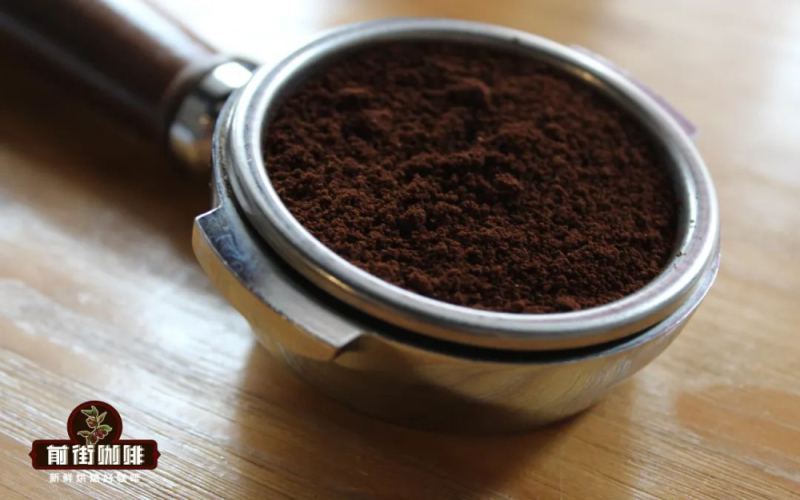
What Is the WDT Distribution Method? A Full Breakdown of Needle Distributor Techniques and Whether You Really Need to Buy One
When making espresso, the distribution step often determines the quality of the final product. Humid weather can easily cause channeling, while static-induced clumps make extraction even more unstable. To solve these problems, WDT (Weiss Distribution Technique) and needle distribution tools came into being. This article will guide you through the origins and principles of WDT, explain the practical operation of needle distribution tools, and, combined with Front Street Coffee's comparative tests, explore whether it is worth buying. Whether you are a barista pursuing consistent output or an enthusiast who loves to experiment at home, you can gain practical distribution ideas from it. [more…]

Can a Toothpick Handle the Job of a WDT Tool? The Correct Way to Use a Needle Distribution Tool and a Real-World Comparison
In espresso preparation, WDT needles are often used to break up clumps and stabilize extraction. But without professional tools, can a toothpick serve as a temporary substitute? Front Street Coffee took advantage of the humid weather of Guangzhou's returning south wind days and used the Warm Sun blend to conduct three sets of comparative extractions, observing the espresso performance with no WDT tool, with WDT needles, and after stirring with a toothpick, and further made iced americanos for a blind test. The results found that WDT needles can indeed make extraction more even, and toothpicks also have a certain effect under specific circumstances, but when paired with water or milk, the difference is not easily noticeable. This article will present the complete experimental process and conclusions, and explain the origin of WDT needles and the correct approach to using them. [more…]
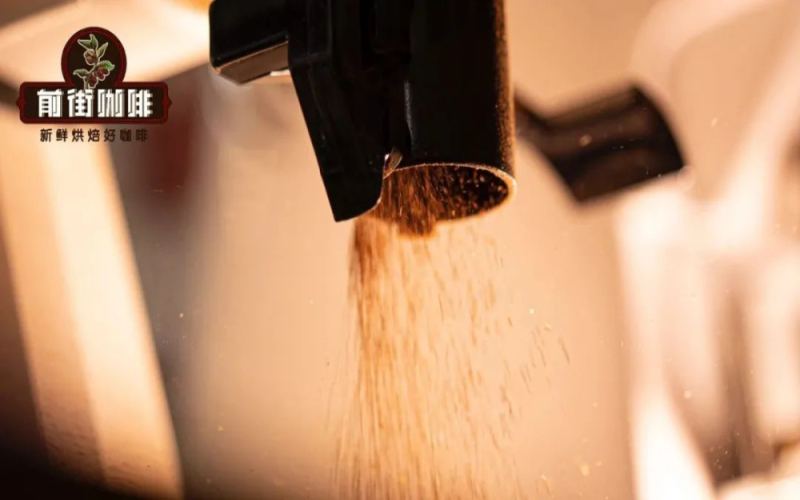
How to Solve the Coffee Grinding Static Problem? An Analysis of the Principle, Effectiveness, and Practical Risks of the RDT Water-Spraying Method
When grinding coffee beans, static electricity often sends fine particles flying and clumping together, not only dirtying the grinder's chute but also disrupting the uniformity of water flow during extraction. To solve this problem, as early as 2005 someone proposed spraying a small amount of water onto the coffee beans, commonly known as RDT (Ross Droplet Technique). Does this method actually have a scientific basis? Will it have a negative impact on grind quality? This article starts from the mechanism by which static electricity is generated, combines it with the latest research, analyzes the actual effectiveness of the water-spraying method, and also points out the risks to watch for during operation, especially the problems that can arise when the amount of water sprayed gets out of control, such as coffee grounds becoming damp, clumping, and even burrs rusting. For friends who like making coffee at home, as well as for Front Street Coffee, which insists on professional output, understanding these details helps in using this technique more rationally. [more…]

2022 WBC Champion Anthony's Full Breakdown of Latte and Creative Coffee Production: From Milk Powder Thickening to Nitrogen Processing
The 2022 WBC World Barista Championship has come to a close, with Australian competitor Anthony Douglas taking the crown thanks to his unique creative coffee and milk coffee preparation techniques. His performance not only showcased the charm of the 80-hour anaerobic natural Sidra coffee beans from El Diviso Estate in Colombia's Huila region, but also brought laboratory-level processing methods onto the competition stage: vacuum slow-cooked date syrup, nitrogen infusion, magnetic stirring, freeze-vacuum-dehydrated milk powder... How do these techniques affect coffee flavor? This article walks you through Anthony's recipe and operational details one by one, and explores the gap between barista competitions and everyday café culture. Meanwhile, Front Street Coffee continues to provide you with professional coffee knowledge exchange and specialty bean recommendations. [more…]
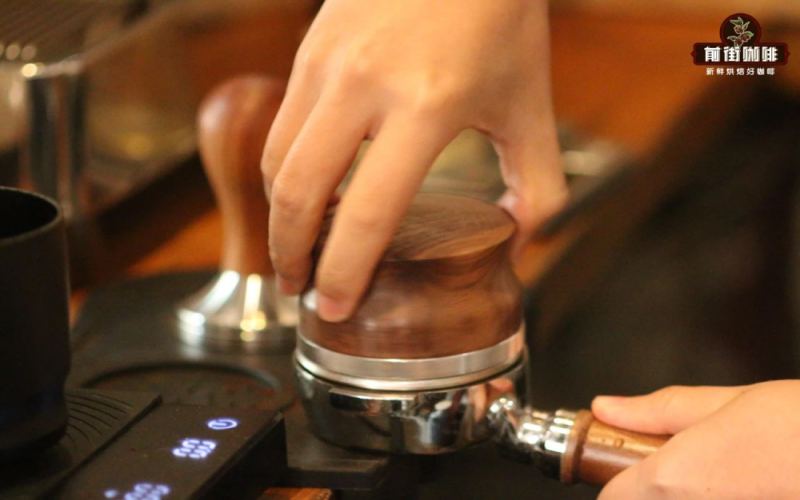
Espresso Brewing Basics | How Can Coffee Beginners Make Espresso? What Are the Steps in the Standard Espresso Brewing Process?
As public demand for coffee grows, more and more coffee enthusiasts are buying related coffee equipment. In the third wave of specialty coffee, online sales of pour-over coffee equipment have been steadily rising, and it is also becoming increasingly common for coffee lovers to keep an espresso machine at home. However, [more…]
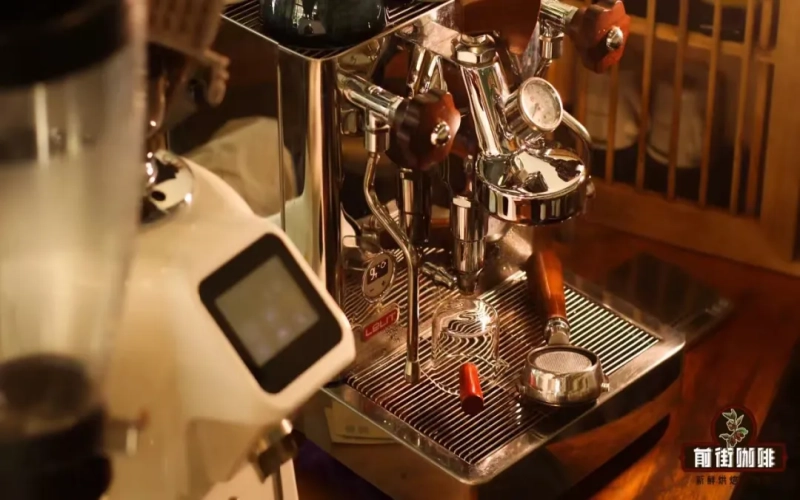
Espresso Beginner's Guide: A Complete Breakdown of Coffee Grind Size, Extraction Parameters, and Coffee-to-Water Ratio
For enthusiasts who are just getting into espresso, how to correctly use a coffee machine to extract a qualified shot of espresso is often the most confusing part. From the choice of coffee beans and the type of grinder, to the adjustment of grind size, the techniques of distributing and tamping the grounds, and then to the control of the coffee-to-water ratio, extraction pressure, and temperature—every variable directly affects the flavor in the final cup. Based on the practical experience of Front Street Coffee, this article systematically sorts out the complete knowledge framework of espresso extraction, helping beginners establish clear parameter concepts, while also sharing Front Street Coffee's specific latte recipe and milk frothing techniques, making home espresso preparation more methodical. [more…]
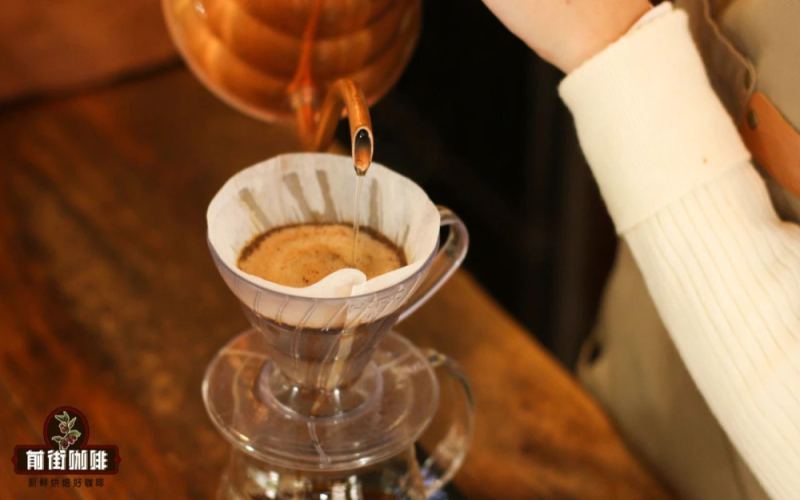
Advanced Guide to Pour-Over Coffee: The Practical Impact of Pouring Distribution and Technique Details on Flavor
Making pour-over at home, but the taste is still inconsistent even after you've dialed in your parameters? The problem often lies in "how you pour the water." This article breaks down the extraction differences between the one-pour method and the three-pour method from two dimensions—water distribution and pouring technique—and analyzes the actual effects of bloom water volume, circling speed, pouring height, flow rate, and circling range on flavor. It also includes complete brewing recipes for three highly distinctive single-origin coffees from Front Street Coffee—washed Yirgacheffe, Tarrazú, and Lintong Mandheling. Whether you're just starting out or looking to refine your technique, these details can help you find the direction for adjustment. [more…]

The Three-Pour Technique for Pour-Over Coffee: Water Distribution Across the Front, Middle, and Back Stages and How to Adjust Flavor
In the practice of pour-over coffee, how to reasonably distribute the water volume for each pour is a key step affecting the final flavor expression. Front Street Coffee recommends an intuitive method: split the extraction process into the front, middle, and back segments, collect the coffee liquid from each separately, and taste them one by one. By comparing the flavor differences among the segments, you can find the pouring ratio that best suits this bean. This article takes a washed Yirgacheffe as an example, using the three-pour method with 15 grams of grounds, and demonstrates in detail the operating procedure of pouring 65 grams of water in each of the three segments after blooming, while recording the specific expressions: the front segment is rich with acidity, the middle segment has berry and honey notes, and the back segment is light with floral and tea-like qualities. On this basis, Front Street further explains how to adjust the water volume of the middle and back segments according to the tasting results, so as to avoid undesirable flavors and highlight the pleasing juiciness and sweetness. This method is applicable to coffee beans with different characteristics, helping enthusiasts systematically locate the extraction stage in which good flavors and off-flavors appear. [more…]
Advanced Pour-Over Coffee Guide: Water Distribution and Technique Details, with Three Front Street Single-Origin Beans for Practice
Front Street Coffee has previously discussed many factors that influence coffee flavor, starting from five objective conditions: coffee dose, coffee-to-water ratio, water temperature, grind size, and brewing device. This time, however, we turn our attention to an easily overlooked subjective variable—your hand, that is, the pouring method during brewing. This article will break down two major areas: water volume distribution and pouring technique. First, it compares the extraction differences between a single-pour and a three-pour method, then analyzes item by item how blooming, circling speed, pouring height, flow rate, and circling range affect the direction of the flavor. At the end, Front Street Coffee has also selected three single-origin beans with high regional distinctiveness for reference in daily brewing practice. [more…]
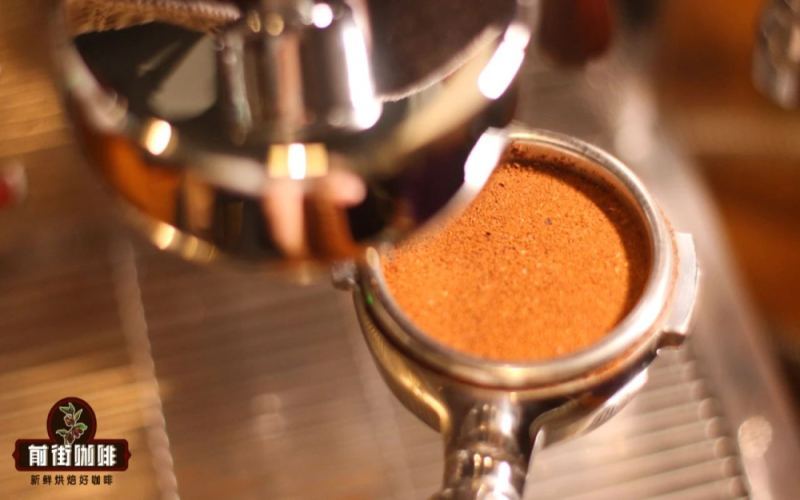
Practical Guide to Espresso Distribution and Tamping: How to Avoid Channeling and Make Delicious Espresso
To make a good espresso, distributing and tamping the coffee grounds are essential steps you can't avoid. At Front Street Coffee, we've found in our daily brewing that the core purpose of both steps is to prevent channeling—when the coffee grounds in the portafilter basket are unevenly distributed, hot water flows along the path of least resistance, causing some grounds to be severely over-extracted and others under-extracted, resulting in a final taste that is both sharply sour and bitter. Drawing on Front Street's hands-on experience, this article first explains why channeling occurs, then walks through the correct distribution technique, ideas for improving how you catch the grounds, and key points for tamping such as keeping your arm vertical and applying even pressure, to help you pull a consistently delicious espresso. [more…]
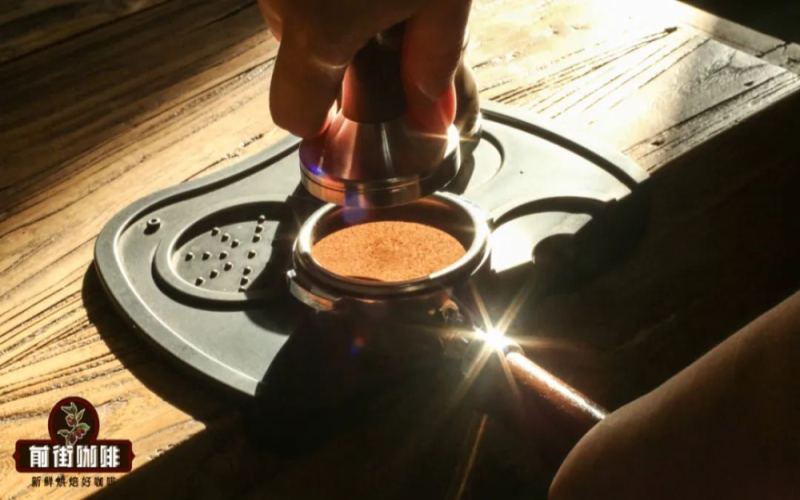
A Detailed Guide to Espresso Tamping Techniques: How Much Force Should a Barista Use When Tamping?
In the process of making espresso, the tamping step is often overlooked by beginners, yet it directly affects whether extraction is even and whether flavor is balanced. In the article "The Importance of Distribution and Tamping," Front Street once pointed out that both the distribution of coffee grounds in the portafilter basket and the consistency of force applied during tamping can impact the final espresso output. However, that article did not specify how much force should be used for tamping, leading many readers to repeatedly ask Front Street in the comments: exactly how much force is needed for tamping? This article will center on this core question, starting from the basic principles of distribution and tamping, and combining them with baristas' practical experience to analyze in detail the reasonable range of tamping force and the criteria for judging it, helping coffee enthusiasts master a stable and consistent tamping technique, thereby improving the extraction quality of espresso. [more…]
Hand-Brewed Single-Origin Coffee vs. Espresso Machine Extraction: A Comprehensive Comparison from Bean Selection to Brewing Technique
In coffee shops, espresso-based coffee and single-origin coffee form the two core categories. The former relies on a coffee machine to produce rapid output under high pressure, with a rich and mellow taste, suitable for pairing with milk; the latter is mostly presented in the form of pour-over, emphasizing origin flavor and a clean mouthfeel. The two differ significantly in everything from coffee bean selection, roast level, to extraction method and brewing technique. This article will take the practices of Front Street Coffee as an example, comparing them one by one across dimensions such as coffee bean variety, roast degree, extraction principles, coffee-to-water ratio, and pouring technique, to help coffee enthusiasts understand the essential differences between pour-over and machine-produced coffee, and to master the complete brewing process for pour-over coffee as well as the standard operating steps for an espresso machine. [more…]
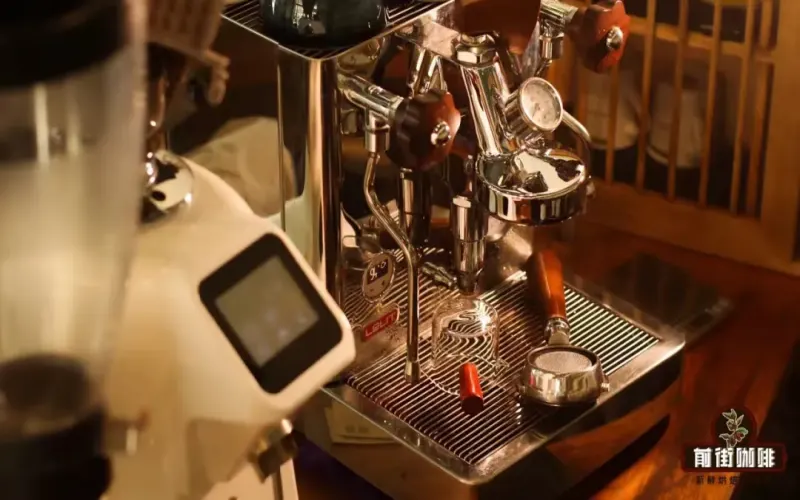
Espresso Extraction Details and Tamping Pressure Standards: Front Street Reviews Six Commonly Overlooked Operational Points
Espresso extraction is extremely short—just twenty to thirty seconds—yet it releases a large amount of flavor compounds from the coffee beans. Because of this, even a small operational oversight can cause the flow rate to spiral out of control and the flavor to become unbalanced. Many enthusiasts follow the same parameters and imitate the same steps, yet their output still falls short of the ideal. The problem often lies in those seemingly insignificant details. In this article, Front Street Coffee systematically reviews six operational points that are easily overlooked but can significantly affect extraction results, including common issues such as a wet portafilter basket, uneven distribution, repeated tamping, knocking the portafilter, forgetting to flush, and delaying the start after locking in the portafilter. It further explains the correct understanding of tamping pressure and the standard technique, helping everyone improve the consistency of their espresso output by paying attention to the details. [more…]
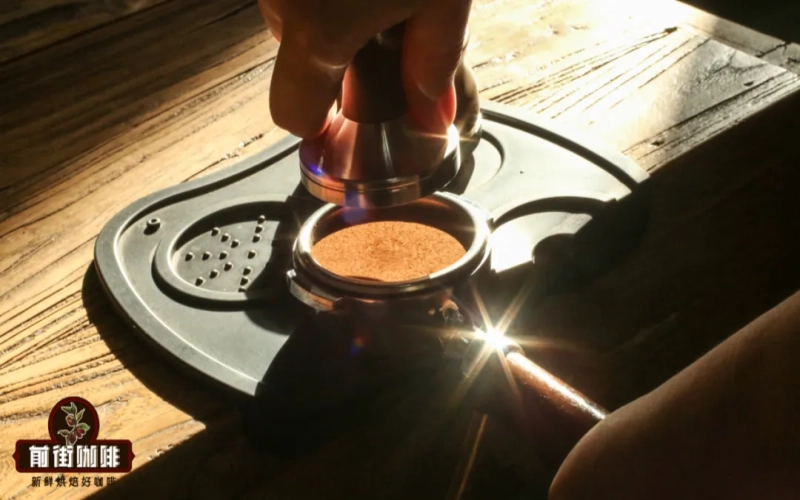
The Impact of Tamping Pressure on Espresso Extraction and an Analysis of Proper Distribution and Tamping Methods
In preparing espresso extraction, distribution and tamping are key steps that determine the quality of the final product. Many coffee enthusiasts have asked Front Street Coffee via our backend: exactly how much force should be used when tamping? Through comparative experiments, this article tests the extraction time and flavor performance of espresso under three conditions: light tamping at 2kg, heavy tamping at 18kg, and no tamping at all. Combined with the conversion of a coffee machine's 9 bar pressure, it explains why the amount of tamping force has little effect on the extraction result, while also clarifying that the real purpose of tamping is to eliminate channeling. The article also retains Front Street Coffee's practical advice to help readers master the correct tamping technique and improve the uniformity and mouthfeel of espresso. [more…]
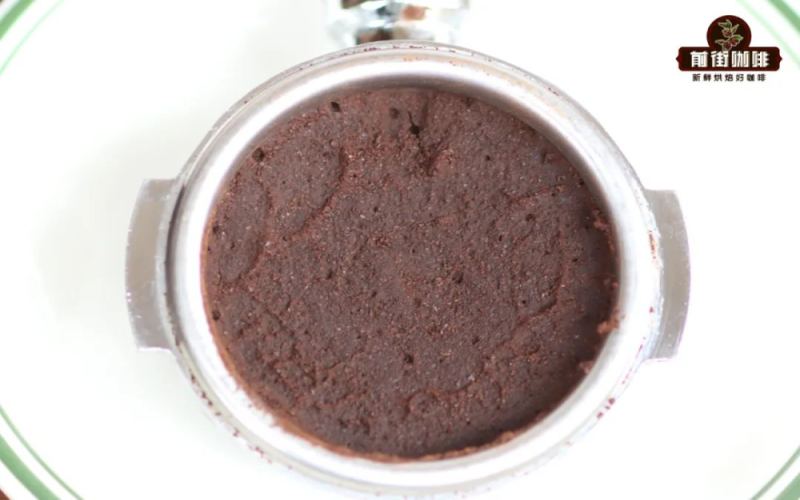
Espresso Preparation: A Comprehensive Analysis of Distribution and Tamping Details and Channeling Prevention
Extracting a qualified espresso—the real contest begins before the portafilter is even locked in. As the core steps of the preparation stage, distribution and tamping directly determine whether the coffee puck can withstand the impact of 9 bar of high-pressure water. Once the powder layer is uneven in density or not compacted properly, hot water will find the path of least resistance and punch through, forming what is known as "channeling," which leads to uneven extraction and an unbalanced flavor profile. This article will break down the standard operating process step by step, from dosing to distribution to tamping, compare the respective pros and cons of manual distribution and distribution tools, and share Front Street Coffee's professional advice on common pitfalls, helping you consistently reproduce a cup of espresso with distinct layers at home. [more…]
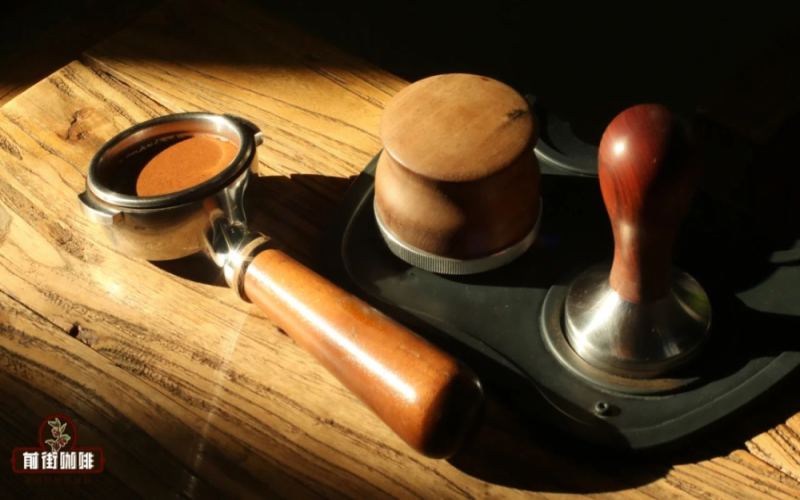
An Analysis of the Differences Between Espresso Distribution Tools and Tampers: The Correct Operating Method from Distribution to Tamping
When making espresso, a leveler and a tamper are two indispensable tools. Many people wonder: after leveling, the surface of the coffee bed is already flat, so why do we still need to tamp? In fact, leveling and tamping each serve a different purpose. Leveling aims to distribute the coffee grounds evenly and reduce channeling; tamping compacts the loose coffee bed to withstand the impact of high-pressure water flow. This article will take a deep dive into the differences and connections between the two, explain the correct technique for using a tamper in detail, and answer common questions such as whether you can tamp a second time when the tamp is uneven, helping you pull an evenly extracted espresso at home. [more…]
Practical Guide to Espresso Distribution and Tamping: Extraction Details to Avoid Channeling
To craft a proper espresso, distribution and tamping are two essential steps you can't avoid. Many coffee enthusiasts encounter problems during extraction such as sharp acidity, bitterness, and muddled layers—the root cause often lies in the evenness of the coffee puck's distribution. From the perspective of Front Street, this article systematically sorts out the purpose of distribution, common misconceptions, and improvement methods, and further explains the correct tamping posture and practice points. Whether you're a beginner who just got an espresso machine or a professional looking to improve shot consistency, you'll find actionable operational ideas to make every espresso extraction more controllable. [more…]
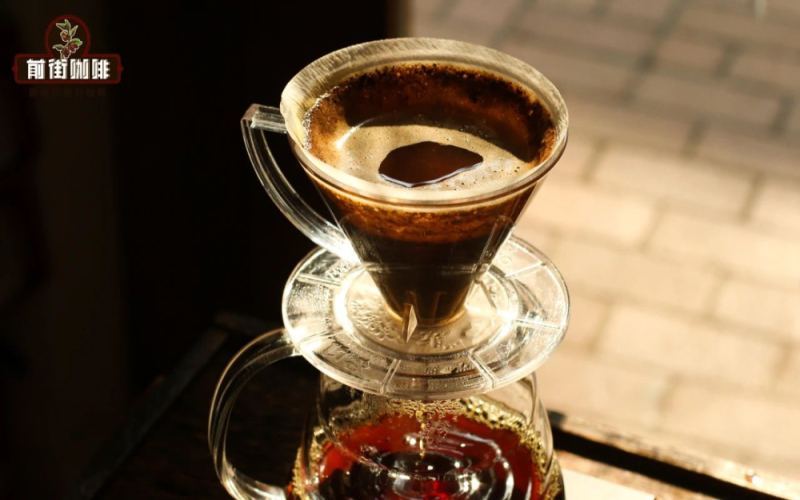
Pour-Over Coffee Three-Stage Pouring Technique: A Detailed Guide to Water Distribution and Calculation for Each Stage
The charm of pour-over coffee lies in precisely controlling the extraction process through staged pouring, allowing each cup to present rich layers of flavor. This article will guide you through the basic principles of pour-over coffee, essential equipment, how to calculate the coffee-to-water ratio, and a detailed breakdown of the three-stage pouring method's specific operations and water distribution. At the same time, we'll share Front Street Coffee's brewing experience, including how to adjust parameters based on coffee bean characteristics, as well as the calculation logic and practical tips for each stage of water in the three-stage pour. Whether you're a beginner just starting out or an enthusiast looking to refine your skills, you'll find practical guidance here. [more…]